Mapping Payment Flows in Licensed and Blocked Online Betting Networks: Examining Security Frameworks and Player Behavior Shifts
Ben Vogel · Aug 22, 2026
Mapping Payment Flows in Licensed and Blocked Online Betting Networks: Examining Security Frameworks and Player Behavior Shifts
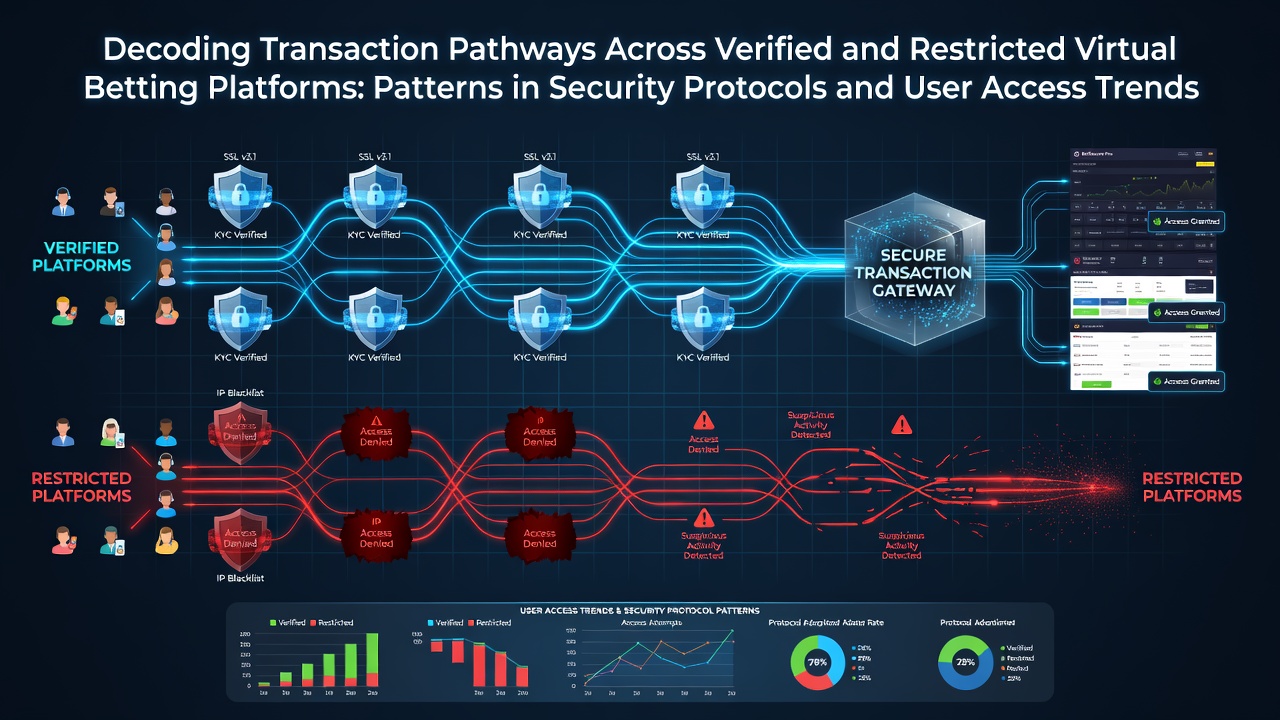
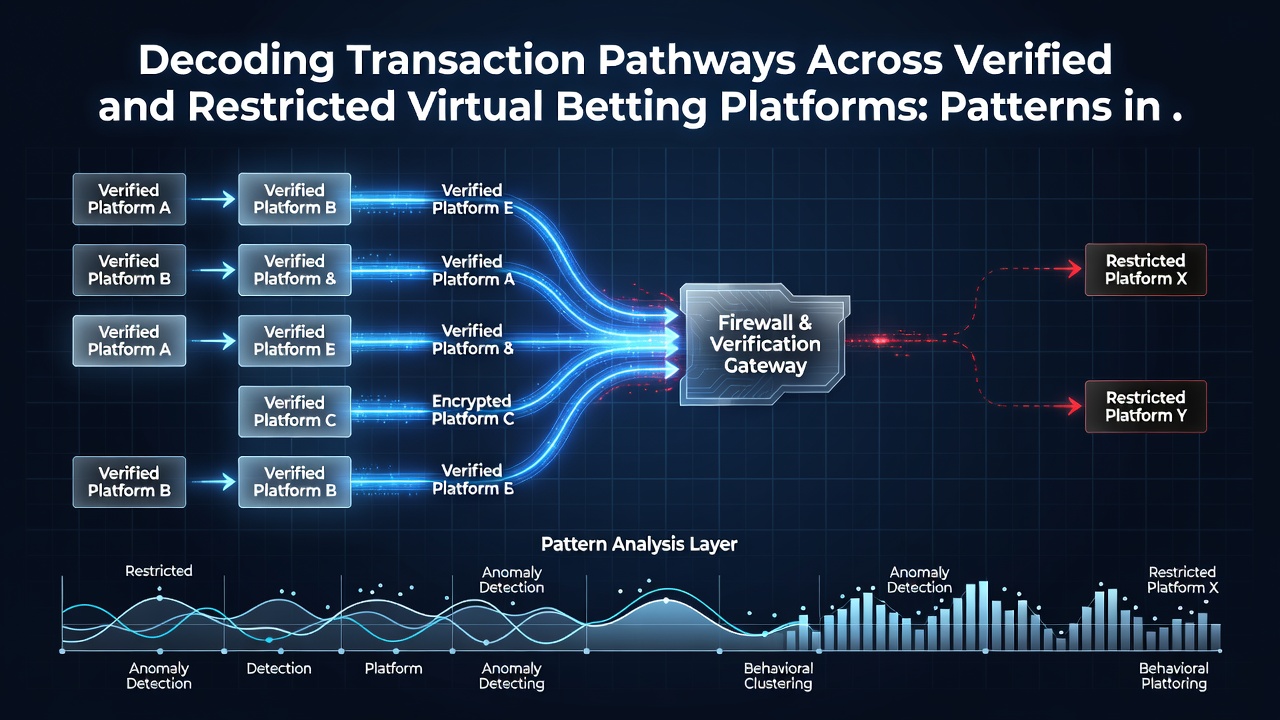
Transaction pathways in verified online betting platforms follow structured routes that incorporate identity verification layers and real-time monitoring systems, whereas restricted platforms often rely on decentralized or proxy-based routing to bypass geographic blocks. Researchers tracking these flows have documented consistent differences in encryption standards and authentication checkpoints between the two categories as of August 2026.
Verified Platform Architecture and Protocol Layers
Licensed operators maintain direct integrations with banking partners and payment processors that enforce standardized protocols including tokenization and multi-factor authentication at each transfer point. Data from regulatory filings shows that these platforms route transactions through centralized ledgers updated every few seconds, which allows for immediate flagging of irregular patterns such as rapid successive deposits from the same IP range. Observers note that verified sites frequently update their security stacks in response to new compliance requirements issued by bodies like the Alcohol and Gaming Commission of Ontario.
Access trends indicate growing preference for mobile wallet integrations among users on verified platforms, with figures revealing a steady rise in API-driven transfers that skip traditional card networks entirely. Those monitoring user behavior report higher completion rates for withdrawals when platforms combine biometric checks with device fingerprinting, reducing friction while maintaining audit trails.
Restricted Platform Routing and Evasion Techniques
Platforms operating in restricted jurisdictions often employ VPN relays and cryptocurrency mixers to obscure transaction origins, creating pathways that fragment across multiple jurisdictions before reaching the end user. Studies compiled by academic researchers at the University of Nevada, Reno highlight how these networks frequently switch between blockchain networks and peer-to-peer transfer services to avoid detection by payment monitoring tools.
Access trends in restricted environments show increased reliance on temporary accounts and proxy logins, with data indicating that users rotate credentials more often than their counterparts on licensed sites. Reports from the Australian Communications and Media Authority document spikes in traffic rerouting during periods when enforcement actions target specific payment processors, forcing operators to adopt new tunneling methods within days.
Comparative Security Patterns Observed in 2026
Security audits conducted through the first half of 2026 reveal that verified platforms allocate significantly more resources to continuous protocol testing and third-party penetration assessments, whereas restricted operators prioritize speed of adaptation over depth of encryption. Patterns show that verified systems detect anomalous access attempts within milliseconds through machine learning models trained on historical transaction graphs, while restricted platforms depend more on manual intervention and community-driven alerts.
User access data collected across both categories demonstrates that verified platforms experience lower rates of account sharing because of persistent device binding requirements, yet restricted platforms see higher volumes of concurrent sessions from single credentials routed through residential proxies. Industry reports compiled by the European Gaming and Betting Association track these divergences month by month, providing granular breakdowns of protocol failure points and recovery times.
Emerging Access Trends and Protocol Adaptations
By August 2026, analysts tracking global traffic volumes noted a measurable shift toward hybrid payment rails that combine traditional banking APIs with stablecoin settlements on verified platforms, reducing settlement windows from days to minutes. Restricted platforms, by contrast, continue experimenting with decentralized finance bridges that obscure wallet linkages but introduce additional latency and occasional fund loss during network congestion.
Those studying long-term behavior patterns observe that users migrate between platform types based on perceived reliability of payout mechanisms rather than headline security claims, with verified sites retaining higher repeat access rates when withdrawal processing times remain under 24 hours. Protocol updates in both segments increasingly incorporate zero-knowledge proofs to verify transaction legitimacy without exposing full user histories.
Conclusion
Transaction pathway analysis through mid-2026 underscores clear structural differences between verified and restricted platforms in protocol depth, monitoring frequency, and user retention mechanics. Data collected from multiple regulatory and academic sources continues to map how security investments and access behaviors evolve in parallel yet distinct trajectories across these environments.